Case 03
30% Faster Booking Times
Healthcare
Healthcare Appointments: 30% Faster Booking Times
Boosting Conversion Rates for E-commerce Checkout
Overview
Vision Designer is an all-in-one interior design platform that simplifies interior design for users overwhelmed by choices and visualization challenges. With features like curated furniture selections, personalized style quizzes, and collaborative tools, it streamlines the process, helping users bring their design visions to life effortlessly
Awards
Indigo Award Gold 2025, UX Interface & Navigation (Vision Designer)
Indigo Award Gold 2025, Virtual Reality Design (Vision Designer)
Indigo Award Silver 2025, Interactive Design (Vision Designer)
Entelechy Awards 2025: Best Video Prototyping; Best Innovation (Vision Designer)
Rookies Award, Rookie of the Year (Immersive Media Vision Designer)
The platform struggled with a 40% cart abandonment rate during checkout. Users encountered unclear error messages, redundant fields, and poor mobile optimization, leading to frustration and drop-offs.
Role
Research
Research
Usability Testing
Affinity Map
UX Design
Prototyping
Team
16 Designers
Tool
Lead Designer
Lead Designer
3D Visualiser
3D Visualiser
Miro
Timeline
January 2024- March 2024
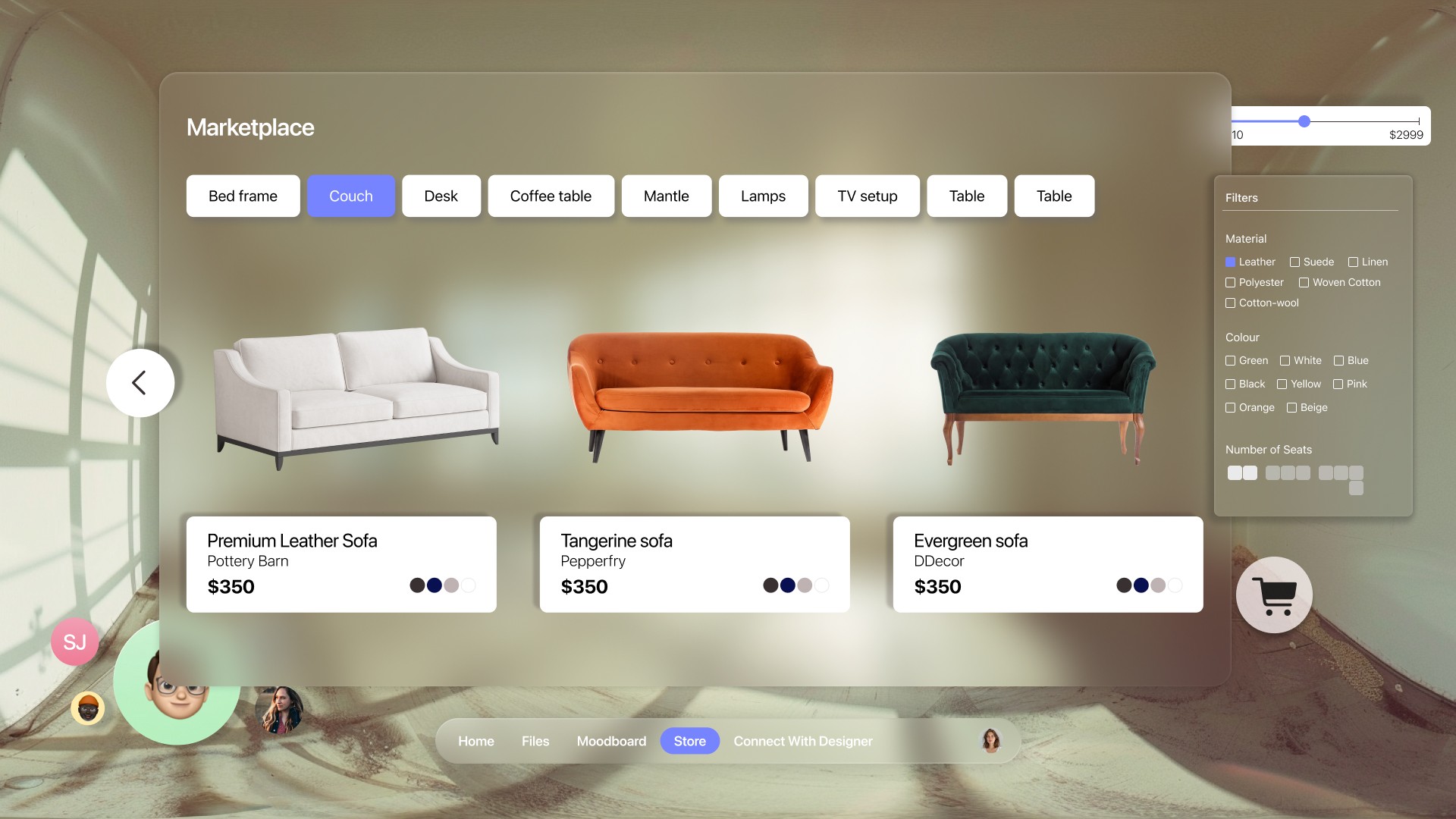
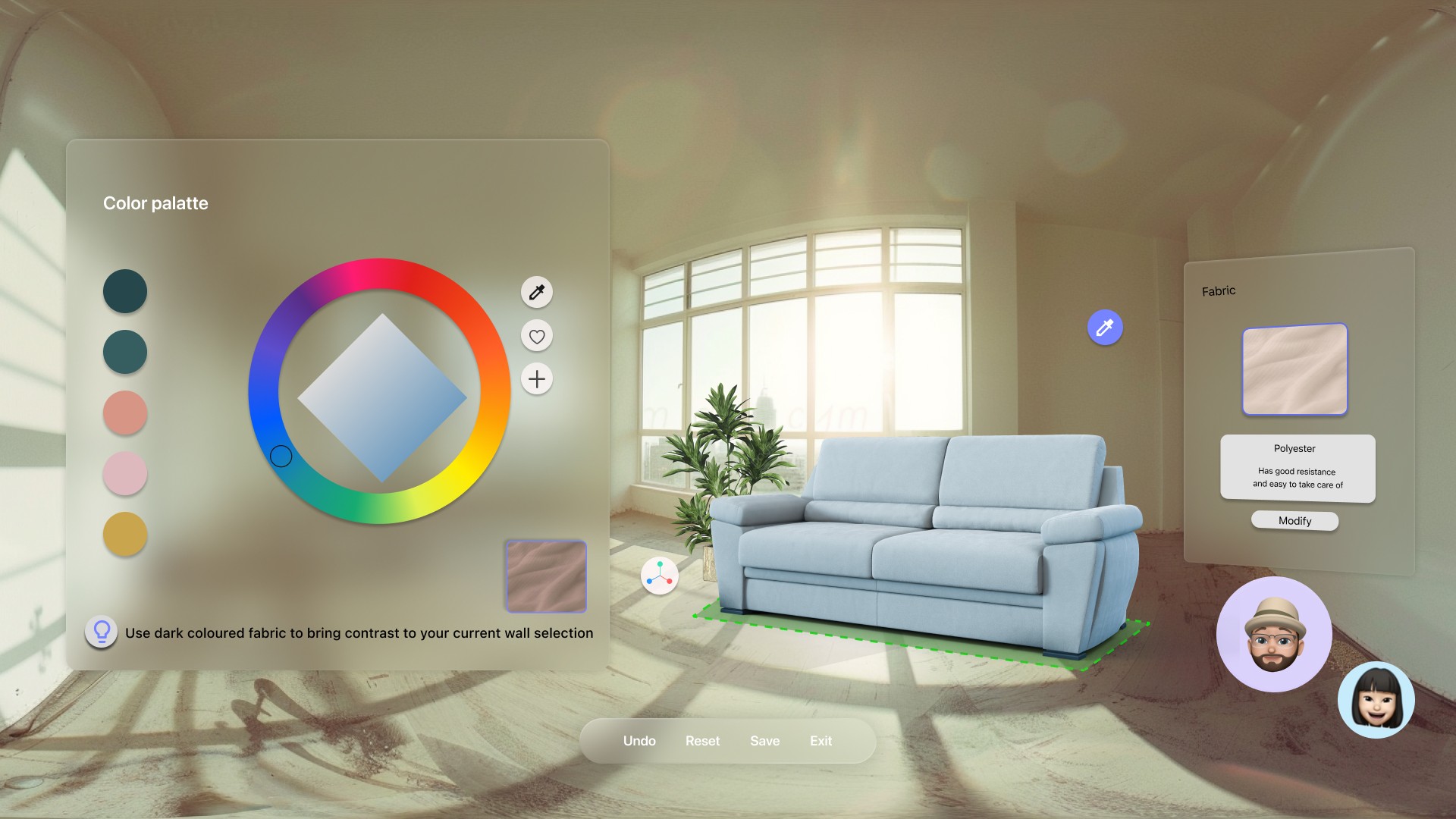
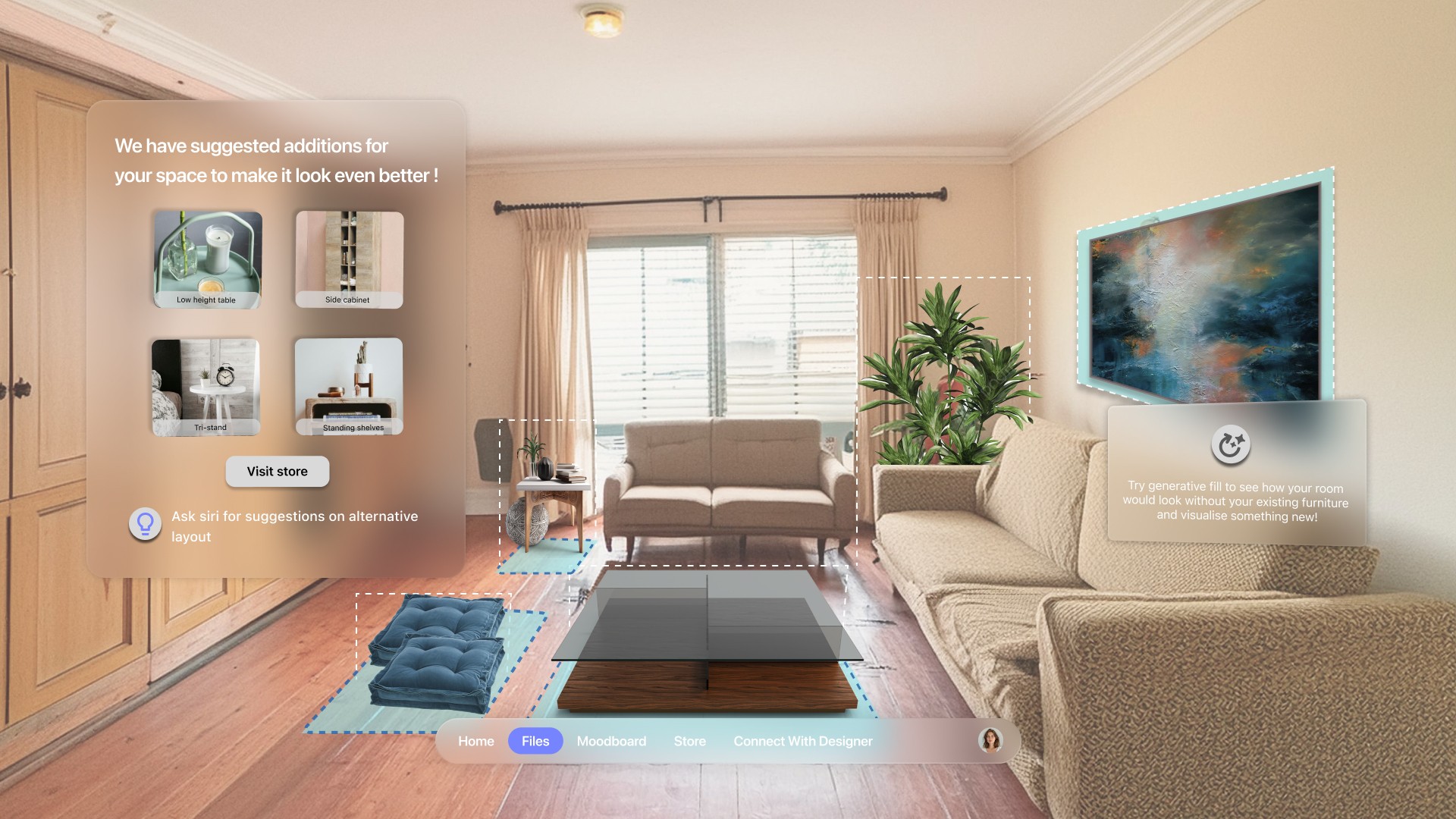
Overview
💫 Challenge
People feel overwhelmed by design choices and have difficulty visualizing how furniture will fit, leading to disjointed or impractical layouts. People find it difficult to stick to a budget while decorating their spaces.
✅ Solution
Our goal over 10 weeks was to simplify and streamline the interior design experience. We wanted to empower users to make choices with confidence while eliminating the hassle of costly mistakes. Our approach focused on providing an engaging, user-friendly VR application that enhances creativity and efficiency.
Research
To identify the core challenges users face with home design tools, we conducted a series of user interviews and secondary research. Participants shared that they face choice paralysis, struggle with visualizing furniture placement, and have difficulty executing a cohesive aesthetic. These insights helped us define key usability problems
Decision Making
People feel overwhelmed by the sheer number of choices and struggle to find a cohesive vision for their space.
Spatial Planning
People find it difficult to visualize how furniture will fit and function in their spaces.
Style Inspiration
People struggle to find a design style that reflects their personality and translate that inspiration into their homes.
User Interviews
Through user research and interviews with 10 people, we found out that they face a variety of challenges while decorating their homes, from a lack of design knowledge to practical limitations.
"I can never tell when I see a sofa online if it will actually fit right or look good in my room"
"It would be amazing if I could stand in my space and see how different styles look. Like trying before buying."
"Budget is a huge factor for me I want something stylish but still realistic for what I can afford"



Market Research
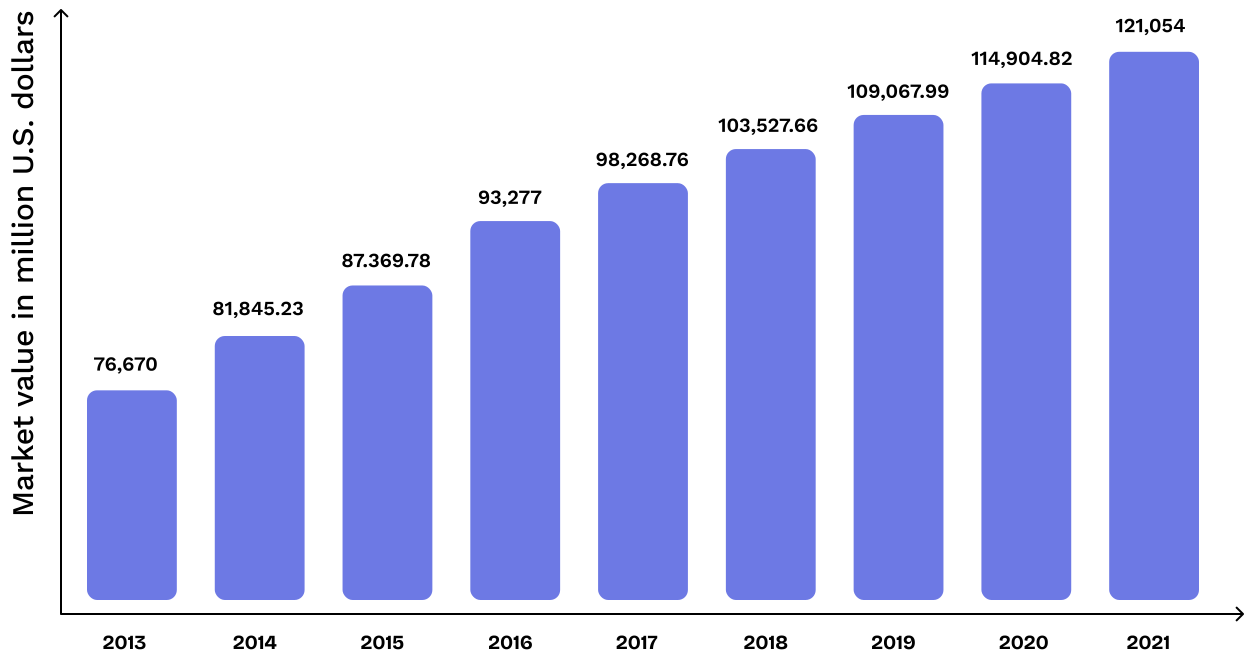
In 2024, the revenue in the Home Décor market Segment worldwide amounts to an impressive $133.60 billion.
This market is projected to experience steady growth, with an annual increase of 3.89% (CAGR 2024-2029).
Source: Statista
Define
Problem Statement
People face a variety of challenges while decorating their homes, from a lack of design knowledge to practical limitations. They also struggle to evaluate whether the spaces are conducive to their personal lifestyles.
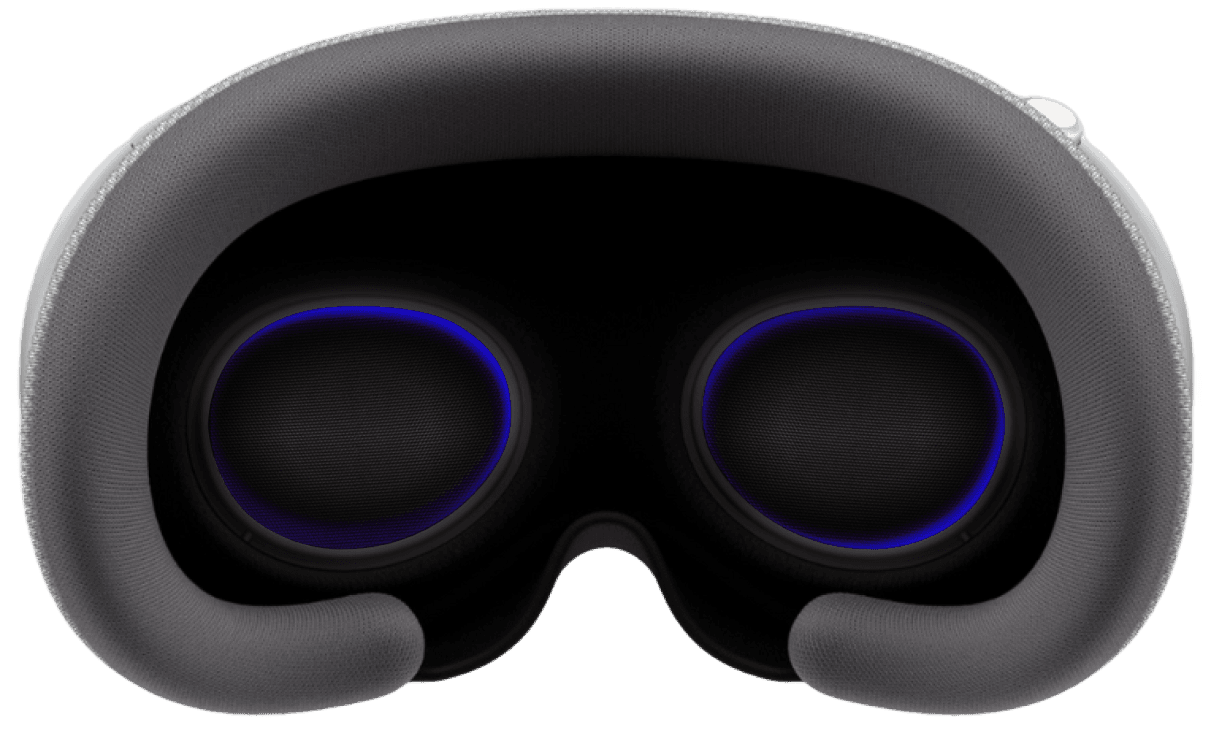
Cost Effective
Immersive
3D Layouts
Spot Imperfections
LiDAR Scanner
Apple Vision Pro
Gesture Controls
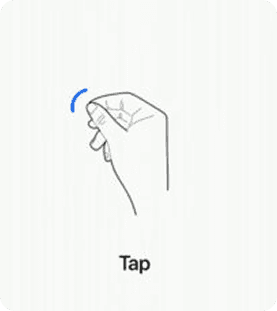
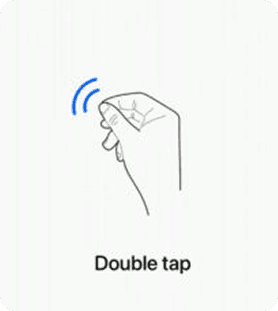
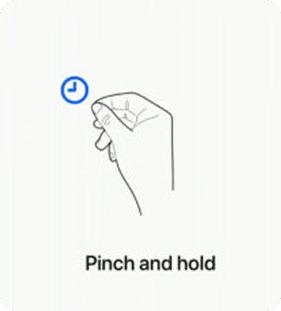
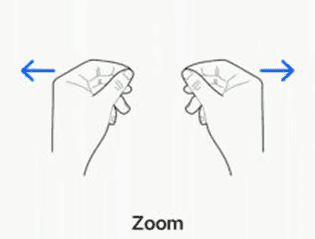
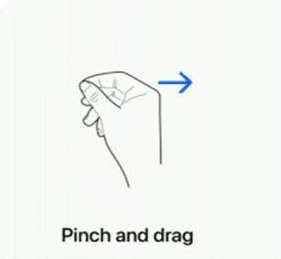
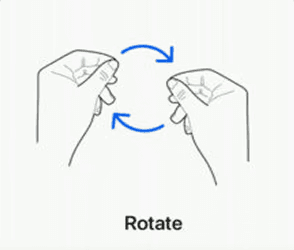
Technology and Functions:
To tackle the user needs of layouts, scale, and immersive design, the inclusion of AR/VR was essential, and the Apple Vision Pro was the ideal platform. The Vision Pro has an impressive list of features, including spatial computing, crisp visuals, and intuitive gestures.
Gestures:
Ideate
Interior Design and VR:
65% of homeowners surveyed believe that VR tours contribute to a better understanding of property layout.
- Fingent.com
According to a 2024 survey, around 77% of buyers found immersive experiences like 3D tours highly beneficial in decision-making.
- National Association of Realtors
The AR/VR market is projected to be $1.6 trillion by 2025, especially related to real estate sectors, citing increased use of 3D visualization tools.
- Goldman Sachs, MoldStud.com
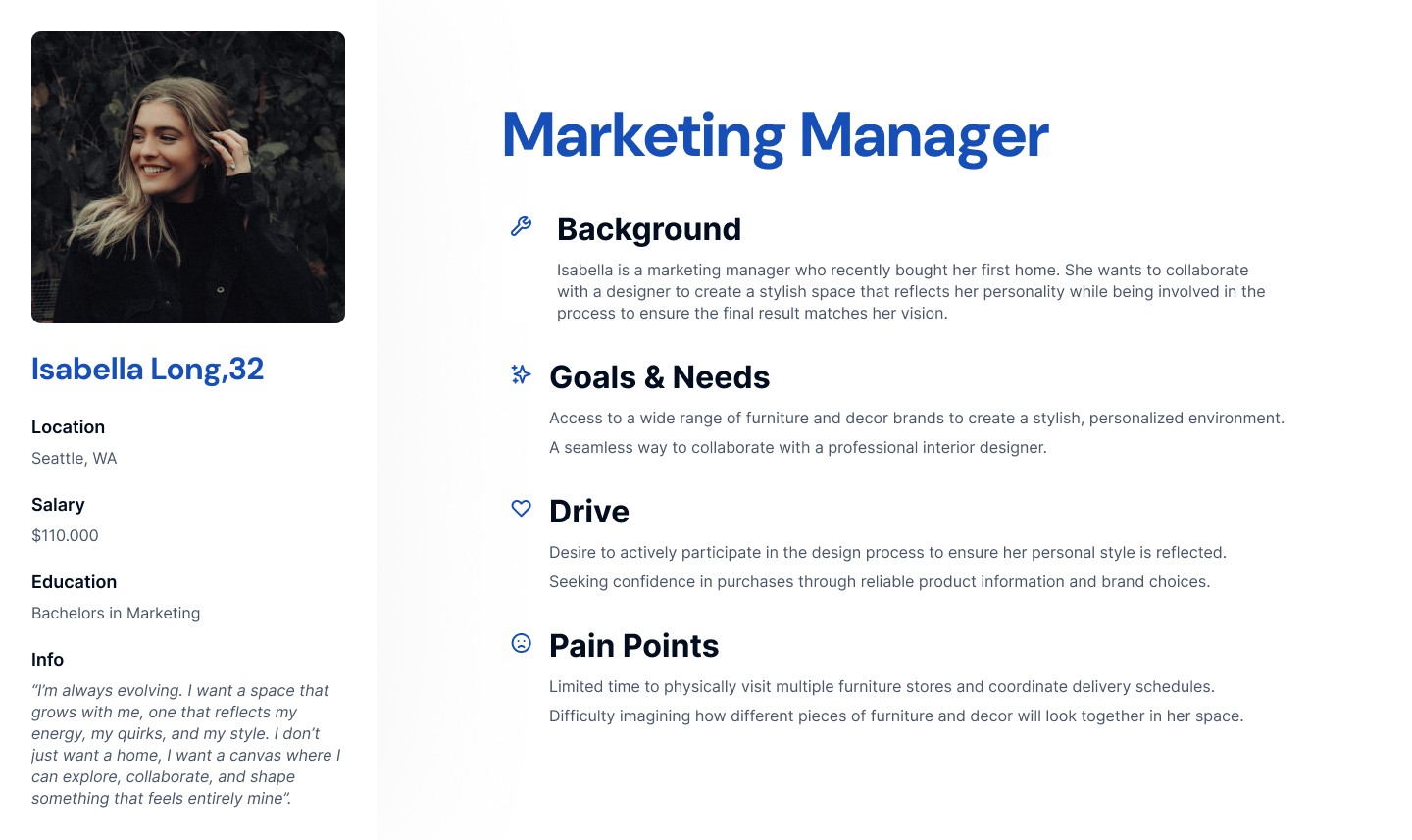
Persona
User Flow
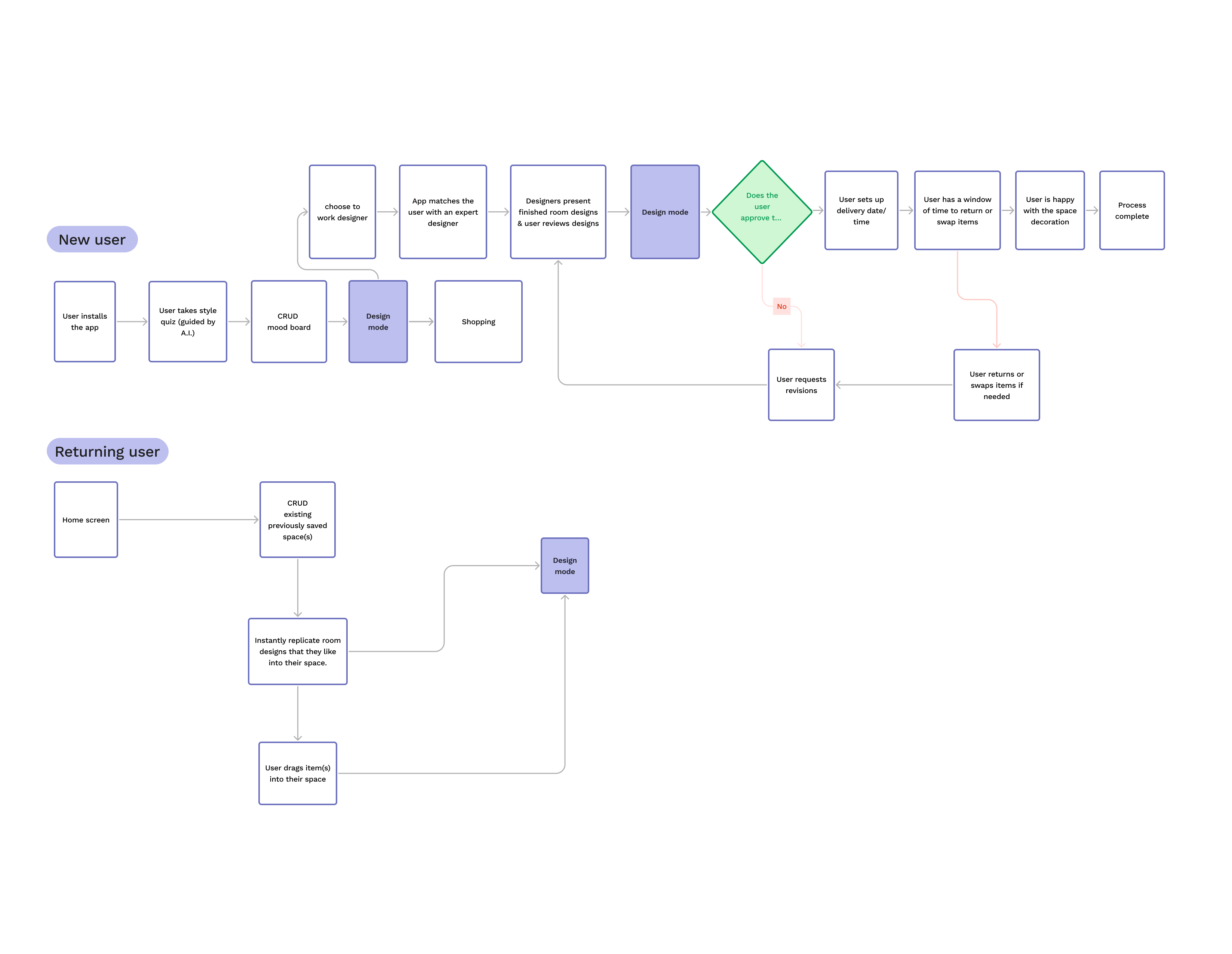
Navigation and structure:
Mapping the complete user journey was essential for gaining a deep understanding of each stage from onboarding through to purchase and post-purchase interactions.
This process helped us to:
Detect experience gaps, such as transitions that weren’t clearly defined between design and shopping phases.
Visualize user intentions throughout the journey, allowing us to prioritize key interactions like the AI quiz, moodboard creation, and AR product placement.
Eliminate redundant steps to streamline the process, improving efficiency and minimizing friction.
Unite cross-functional teams, including design, content, and technology, around a shared understanding of the user experience.
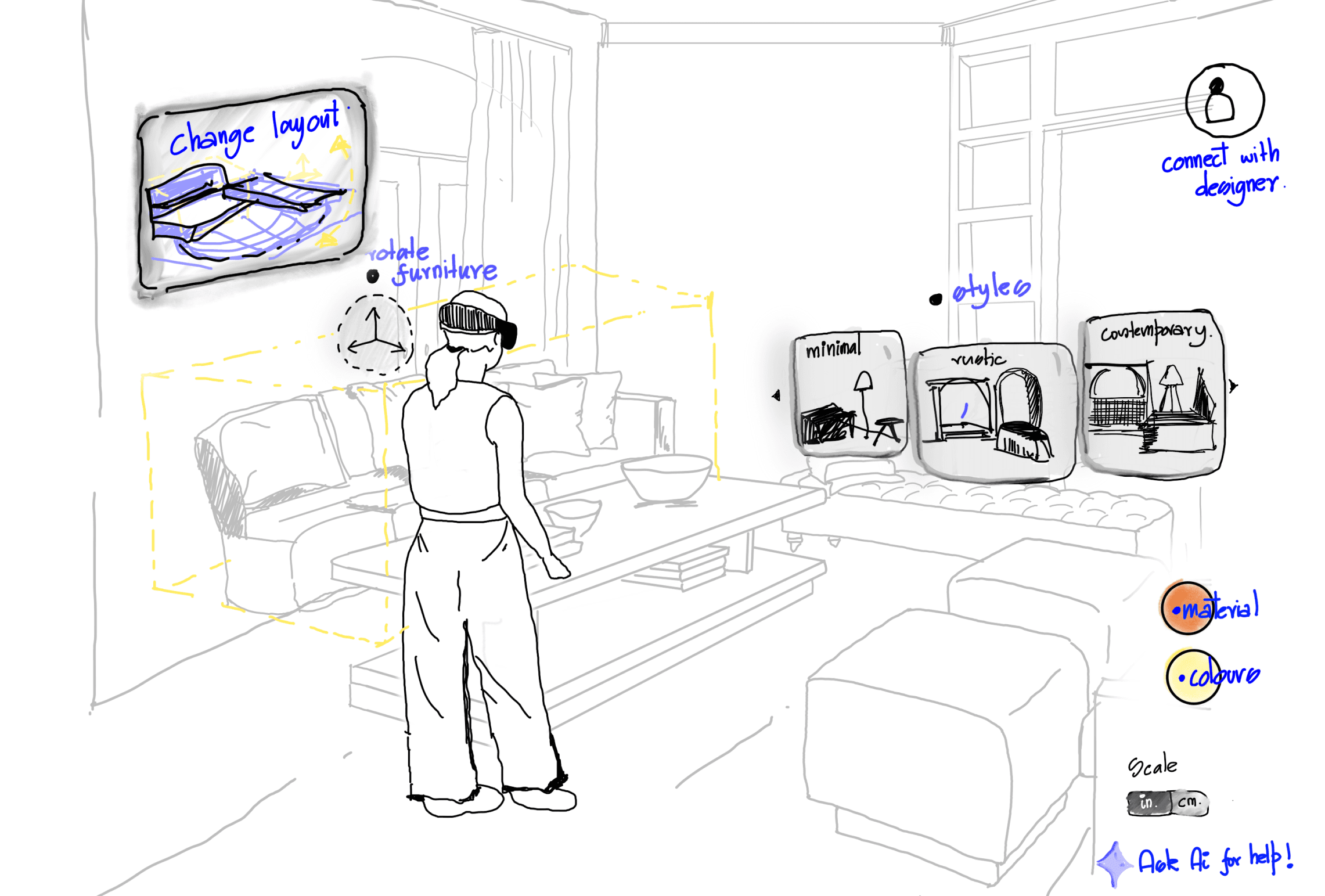
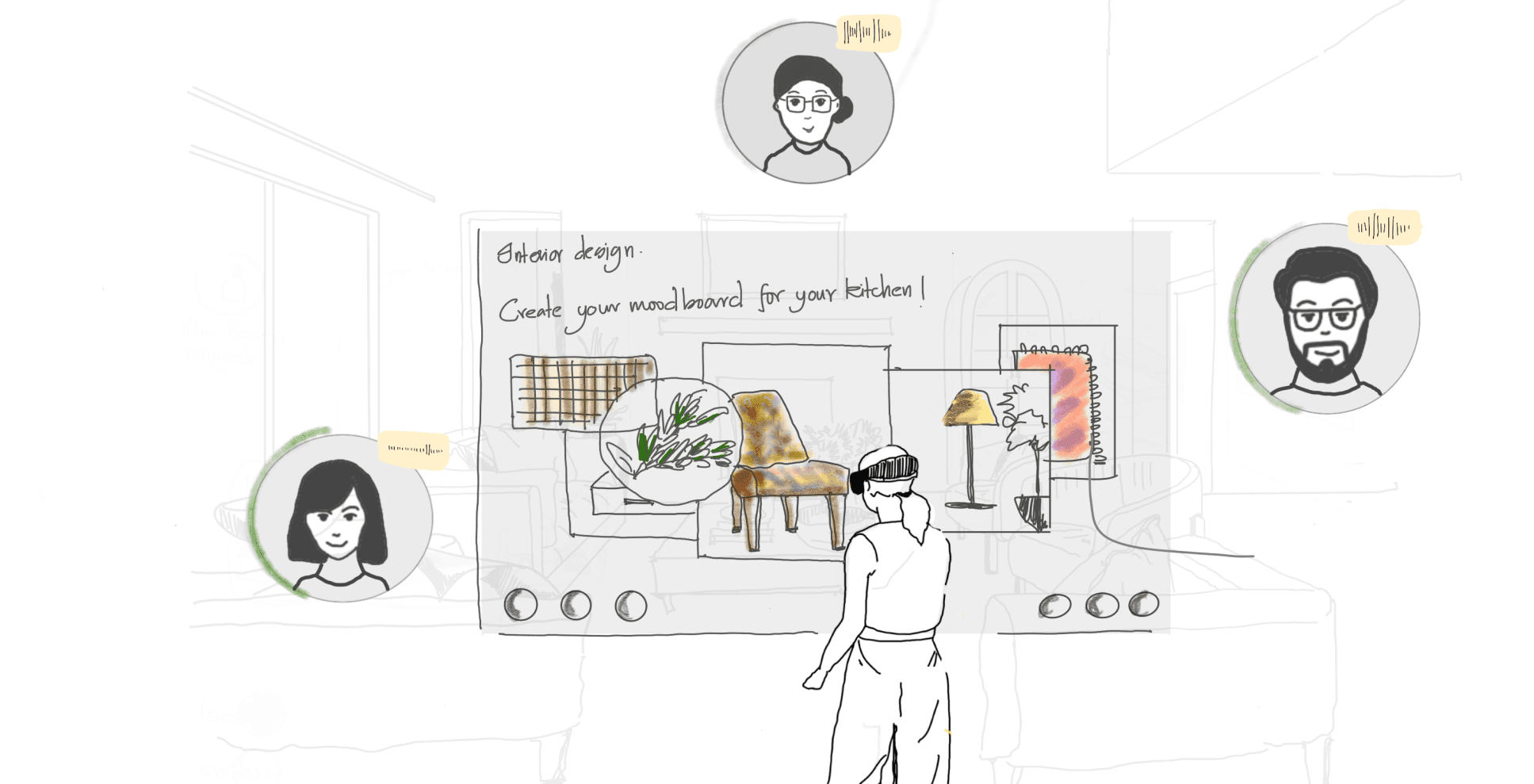
ideation
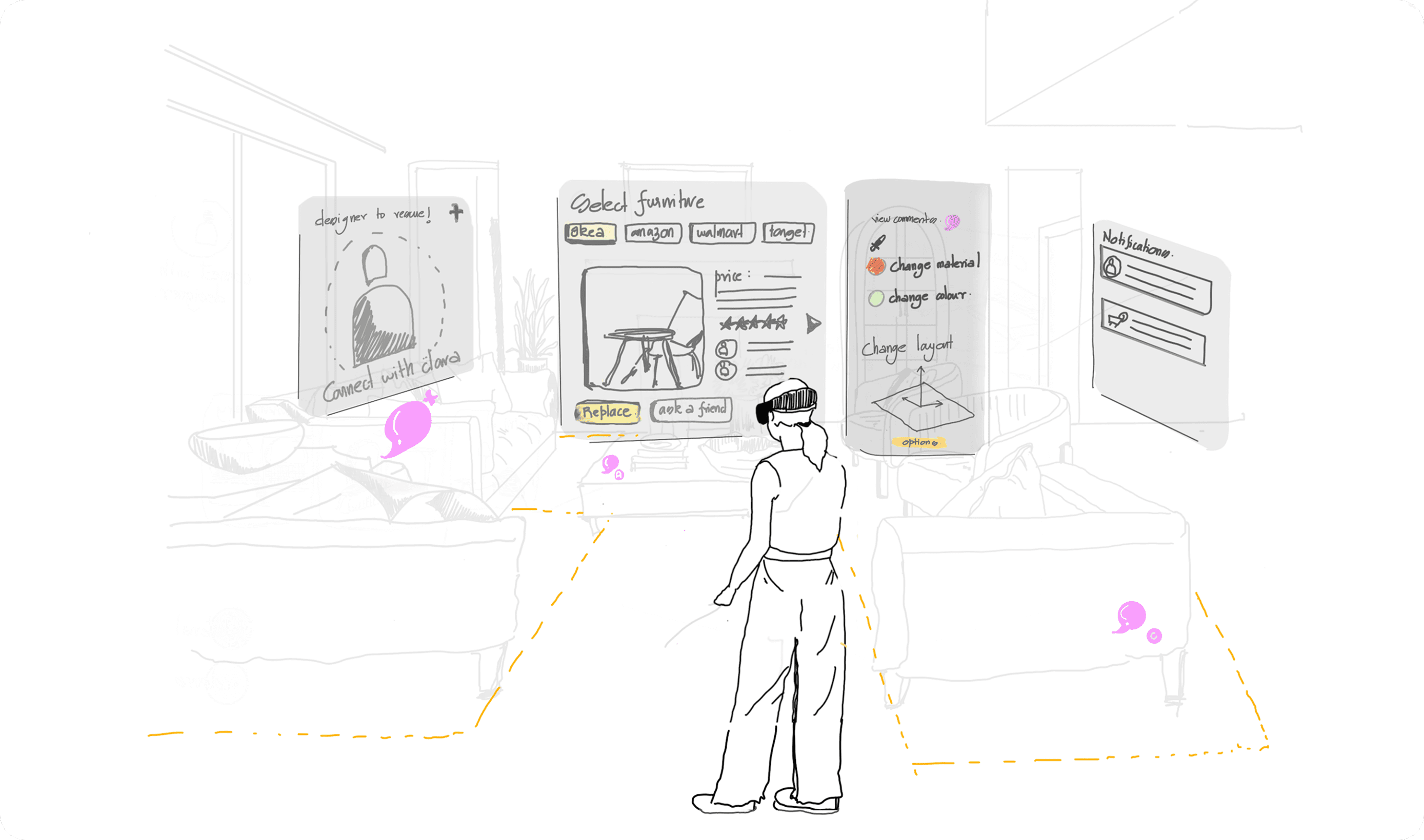
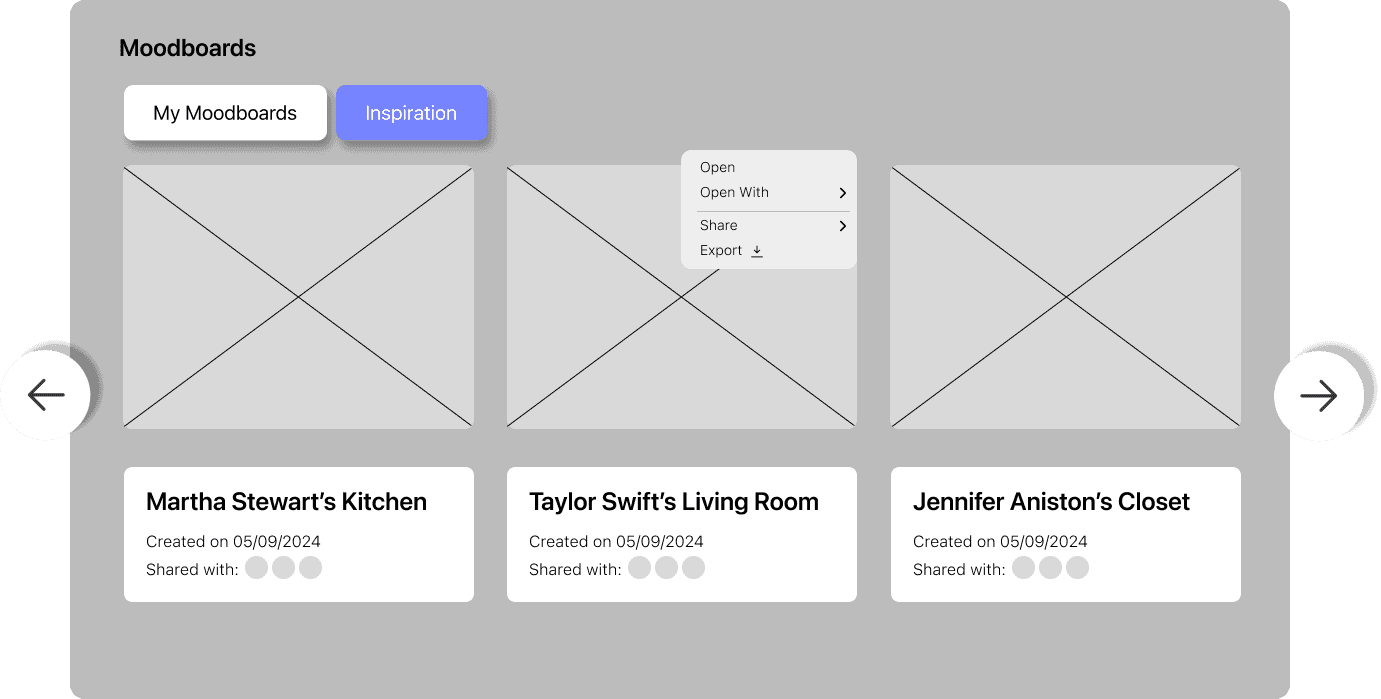
Final Solution
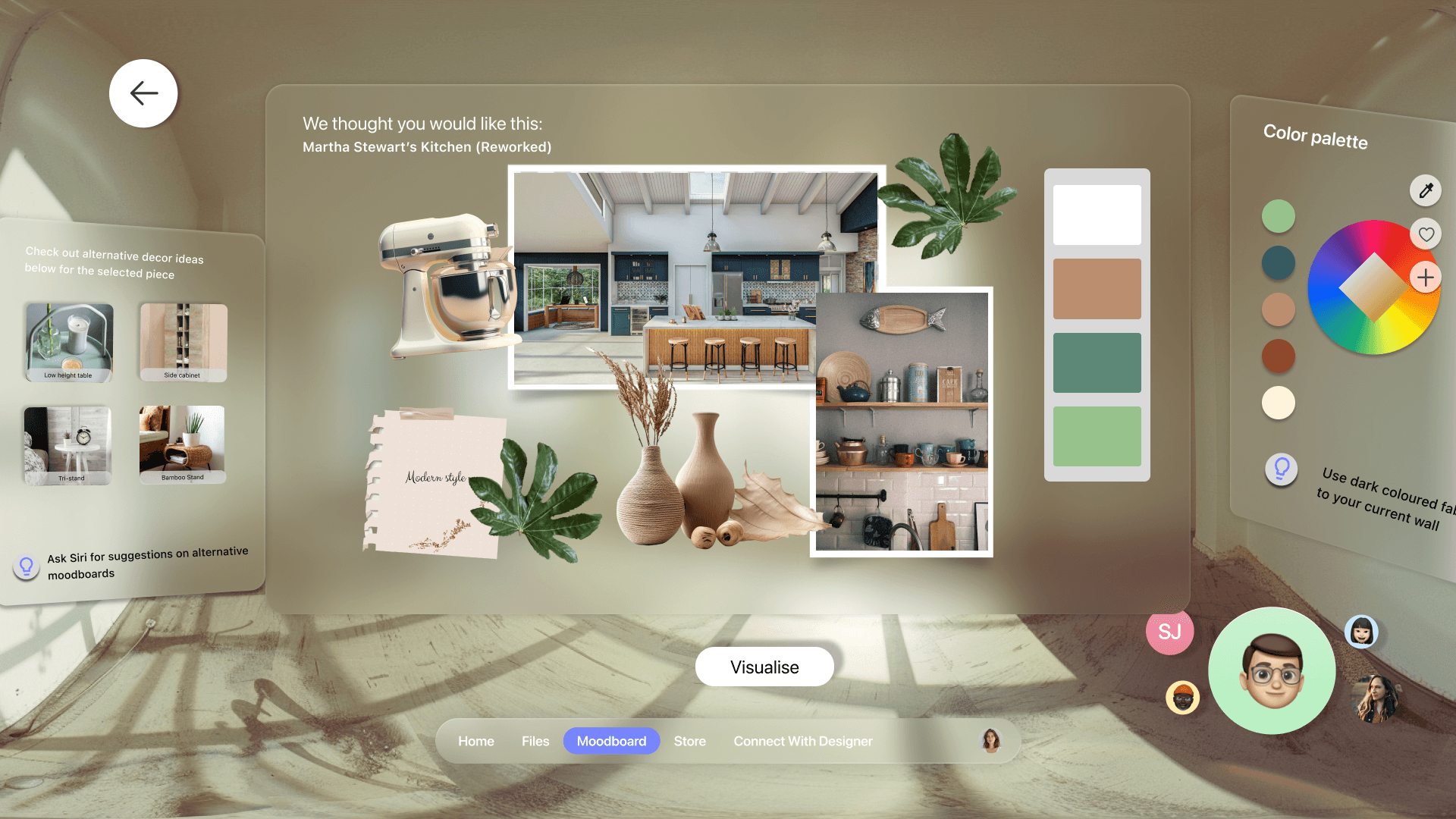
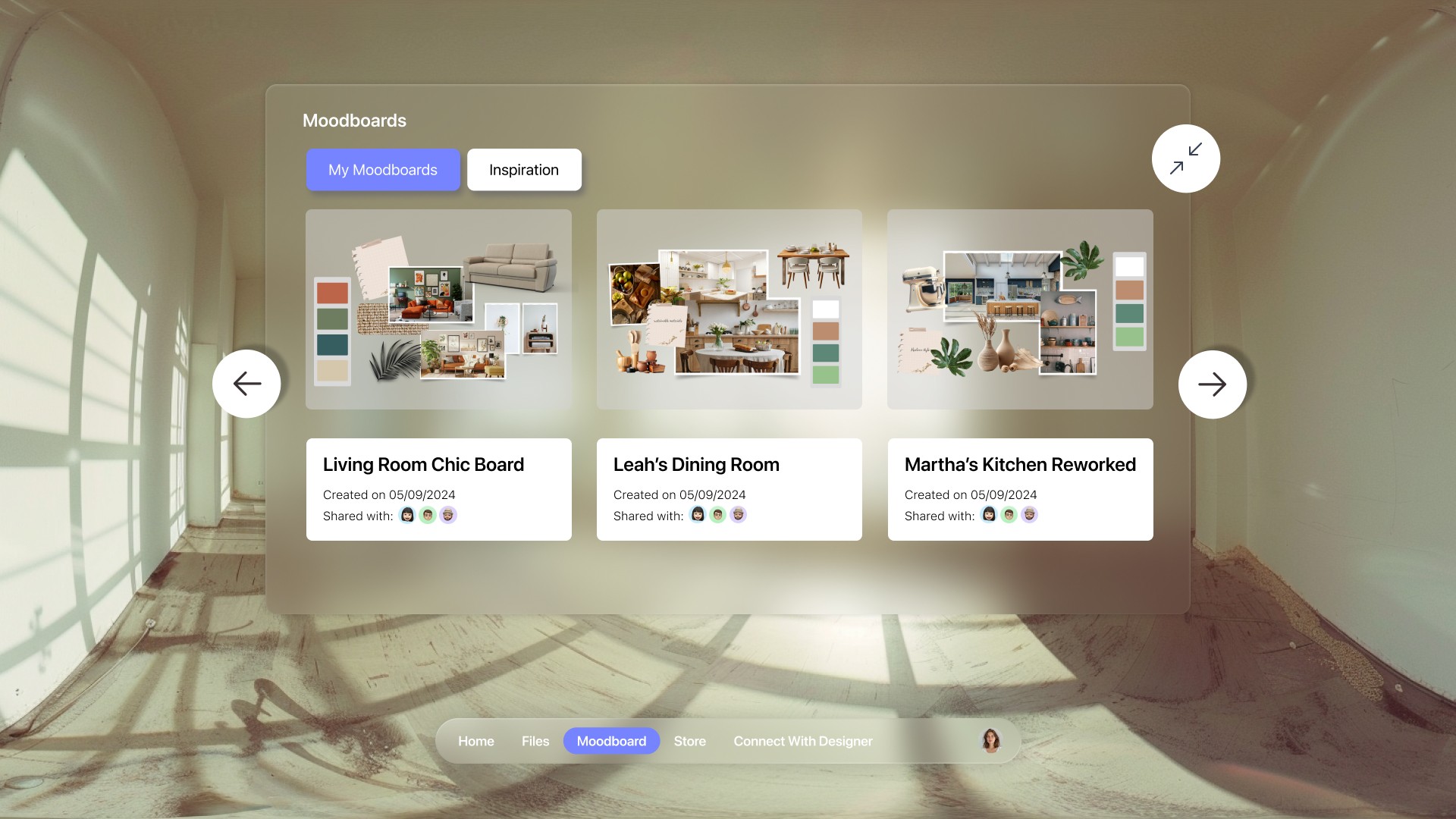
[Key Learnings]
XR/VR Design
Explored the concept of affordances in XR/VR, such as visual cues and haptic feedback.
XR/VR Design
Explored the concept of affordances in XR/VR, such as visual cues and haptic feedback.
Iterative Design Pays Off
Learned to create and manipulate 3D assets to improve the VR experience.
Iterative Design Pays Off
Learned to create and manipulate 3D assets to improve the VR experience.
IOS Gestures
Leveraged the potential of Apple Vision Pros gestures to enhance user experiences in VR.
IOS Gestures
Leveraged the potential of Apple Vision Pros gestures to enhance user experiences in VR.
Testing
10
Testers
3
Tasks
76.76%
Completion Rate
15.63s
Avg. Time Taken
Think Aloud
Participants: 10 graduate design students familiar with Figma and AR/VR concepts
Platform: MacBook prototype (interactive Figma)
Goal: Capture real-time thoughts to identify cognitive load, frustrations and moments of clarity
Task-Based Usability Testing
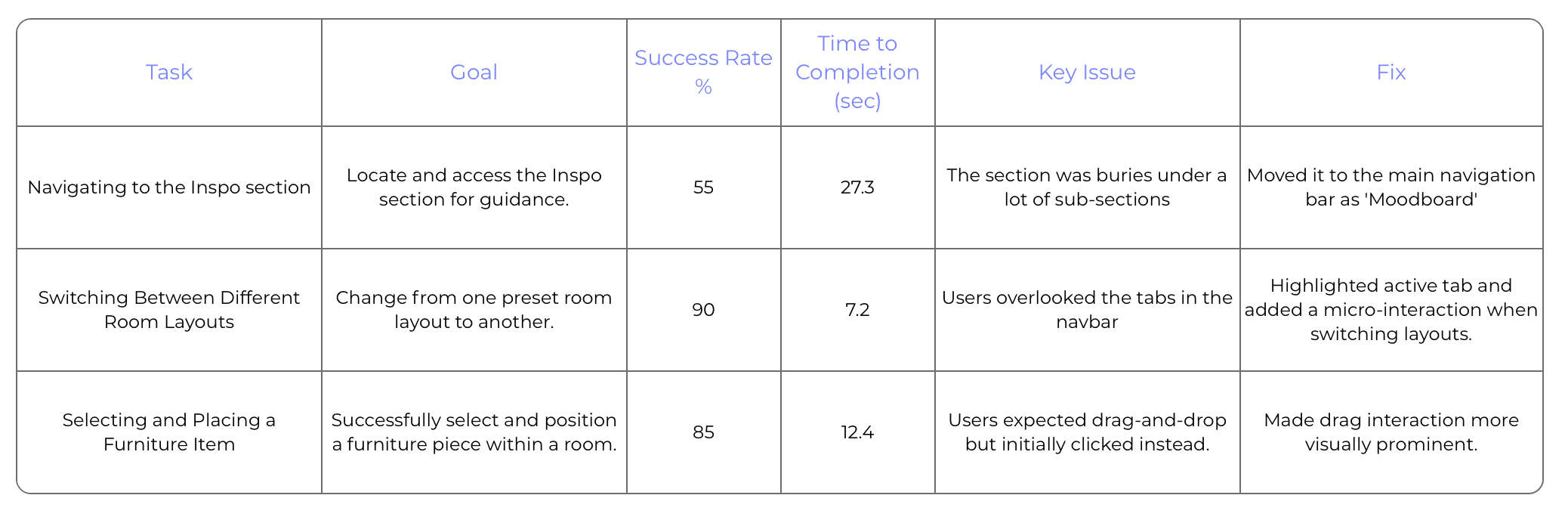
How: Ask users to perform key tasks, such as selecting furniture, placing objects in AR, or adjusting lighting within the app.
Metrics: Task completion rate, error rate, time on task, and user frustration points.
💡 Takeaways:
Drag-and-drop needed better affordances to match user expectations.
Rotation and scaling controls needed clearer UI elements to avoid confusion.
Navigation tabs lacked visibility, causing hesitation when switching layouts.
Saving/exporting labels needed to be more intuitive to differentiate functions.
Section placement impacted discoverability and required repositioning.